Moldy Carpet Cleaning vs Removal: Which Approach Suits Your Situation?
Deciding Between Cleaning and Removing Moldy Carpet
When you discover mold in your carpet, your first instinct might be to clean it thoroughly and hope that solves the problem. Moldy carpet cleaning can sometimes work, especially if the contamination is small and caught early. But other times, the only realistic option is full removal. Understanding the practical differences between these two approaches helps you make the right call for your home and your health.
This article compares moldy carpet cleaning with carpet removal, explaining what each method involves, when it makes sense, and what factors tip the scale toward one or the other. The goal is to give you a clear framework for deciding without relying on guesswork.
What Moldy Carpet Cleaning Actually Means
Cleaning a moldy carpet typically involves drying the area, applying a specialized cleaning solution, scrubbing the fibers, and extracting moisture with a wet-dry vacuum or steam cleaner. Some methods also include a biocide or an antimicrobial treatment meant to kill remaining spores. The key assumption behind cleaning is that the carpet itself stays in place and can be salvaged.
This approach works best when the mold growth is superficial and the backing of the carpet has not absorbed moisture. If the mold is only on the surface of the pile and the carpet dries quickly, cleaning can remove visible stains and odors. However, moldy carpet cleaning becomes far less effective when the moisture has soaked into the carpet pad or the subfloor underneath. In those cases, cleaning only addresses the top layer while the source of the problem remains hidden.
Another limitation is that cleaning does not eliminate the root cause of the moisture. If a leak, flood, or high humidity continues, the mold will return. Cleaning also cannot fix structural damage to the carpet or the underlying materials. For these reasons, moldy carpet cleaning is best seen as a temporary measure or a solution for minor incidents, not a cure for ongoing moisture issues.
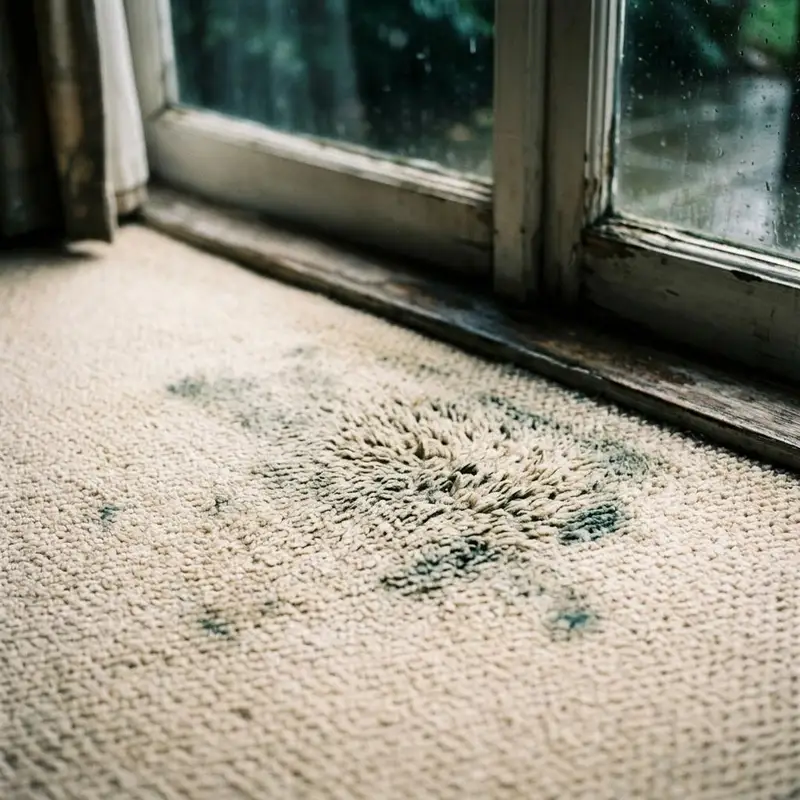
When Removal Becomes Necessary
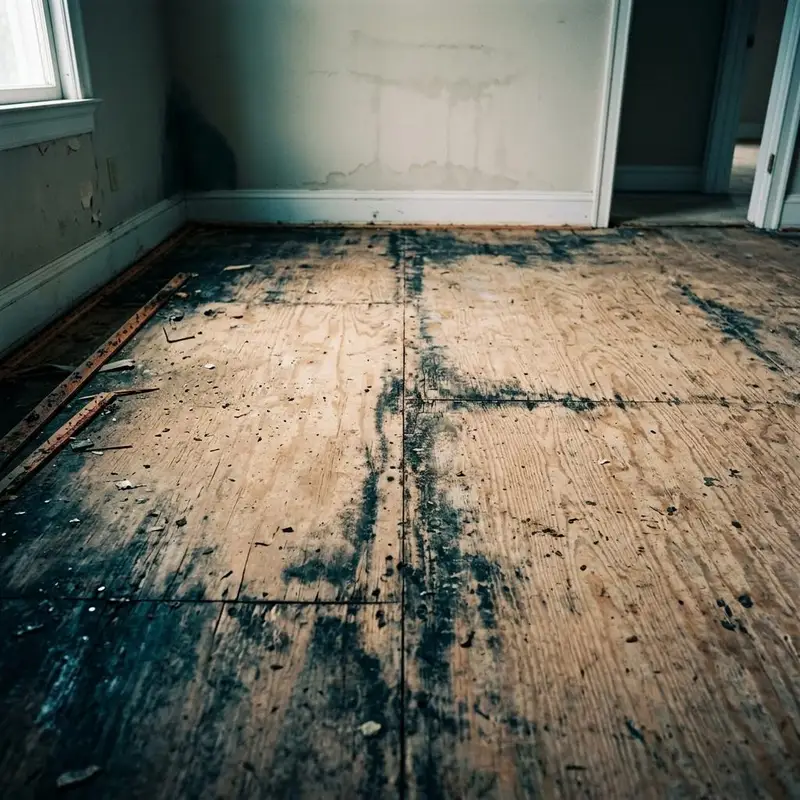
Removing a moldy carpet means pulling it up, disposing of it, and often replacing the carpet pad beneath. In many cases, the subfloor also needs to be dried, treated, or replaced. Removal is a more invasive and labor-intensive process, but it is the only way to fully eliminate mold that has penetrated deep into the carpet and its backing.
You should consider removal when the mold covers a large area, when the carpet has been wet for more than 48 hours, or when you can see mold growing on the back of the carpet or on the floor beneath. If there is a musty smell that persists after cleaning, that is another strong sign that the mold has spread beyond the surface. Removal also becomes the safer option for people with allergies, asthma, or respiratory sensitivities, because cleaning can sometimes release spores into the air without fully removing them.
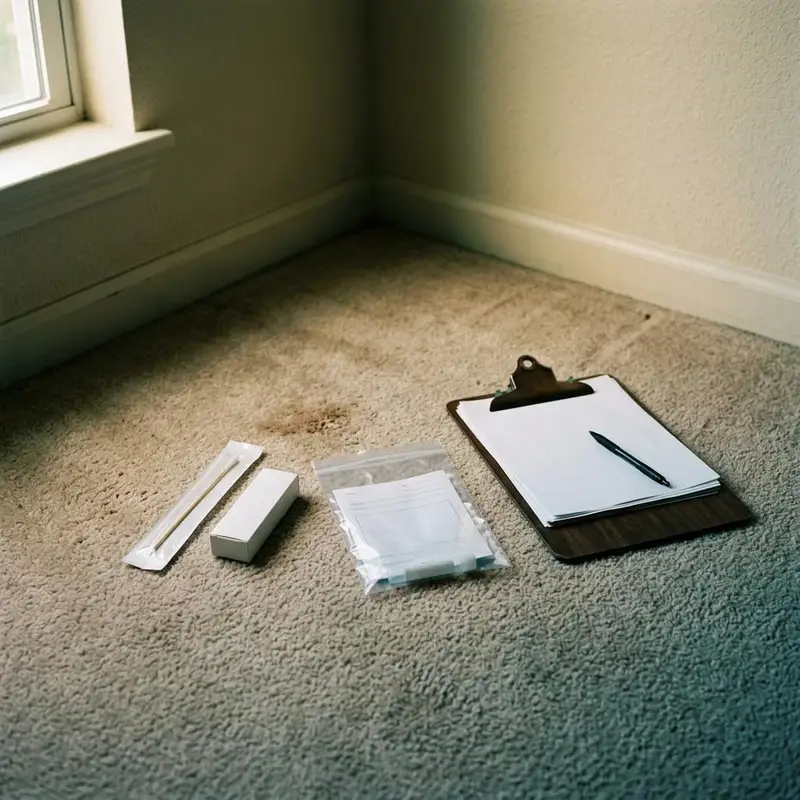
A professional assessment can help determine whether cleaning or removal is the right path. Carpet Mold Removal Services Pros moldy carpet disposal is one service that deals with this exact question every day. They evaluate the extent of contamination and the moisture level in the carpet and subfloor to recommend a course of action. In many cases, removal ends up being more cost-effective than repeated cleaning attempts that never fully solve the problem.
Comparing Time, Cost, and Effort
Cleaning a moldy carpet typically takes a few hours for a single room and costs less upfront than removal. You can often do it yourself with rented equipment and store-bought solutions. However, the effort may need to be repeated if the mold returns, and the total cost can add up over time. Removal, by contrast, is a larger project that usually requires professional labor, disposal fees, and new carpet or flooring. The upfront expense is higher, but it often provides a permanent solution.
Time is another factor. Cleaning can be done quickly and allows you to keep the room functional during the process. Removal involves emptying the room, tearing out the carpet, drying the subfloor, and installing new material. This can take several days, especially if the subfloor needs to be treated for mold. For spaces that are not heavily used, removal may be less disruptive than it sounds.
It is also worth considering the condition of the carpet itself. Old, worn, or stained carpet might not be worth saving anyway. In that case, removal gives you a chance to upgrade to a more durable or mold-resistant material. Newer carpets with moisture barriers or antimicrobial treatments can reduce the risk of future mold problems, which is something cleaning cannot offer.
Health and Indoor Air Quality
Mold releases spores that can trigger allergic reactions, asthma attacks, and other respiratory issues. When you clean a moldy carpet, you disturb those spores and send them into the air. Even with a high-quality vacuum and proper ventilation, some spores will remain in the room. Over time, repeated exposure can worsen symptoms for sensitive individuals.
Removal, when done correctly, removes the contaminated material entirely. The room can then be dried, cleaned, and treated to eliminate any residual spores. This approach is generally better for indoor air quality because it removes the source of the problem rather than just the visible growth. Carpet Mold Removal Services Pros moldy carpet disposal follows this principle by ensuring that contaminated materials are properly bagged and removed from the site, reducing the risk of cross-contamination.
If someone in your household has a mold allergy or a compromised immune system, removal is almost always the safer choice. Even if the visible mold seems small, the hidden growth beneath the carpet can be extensive. Cleaning might make the room look better, but it cannot address what is underneath.
When Cleaning Might Still Work
There are a few scenarios where moldy carpet cleaning is a reasonable option. If the mold patch is smaller than a few square feet and the carpet has not been wet for long, cleaning with a diluted detergent and thorough drying can work. You should also consider cleaning if the carpet is in good condition and the underlying floor is dry. In these cases, the cost and hassle of removal may not be justified.
Cleaning can also serve as a stopgap while you plan for a more permanent solution. For example, if you are renting and cannot replace the carpet, or if you need to wait for insurance approval before undertaking a larger renovation, cleaning can manage the immediate problem. Just be aware that it is rarely a permanent fix.
One more factor is the type of carpet. Some carpets, especially those with natural fibers like wool, are more prone to mold damage and may not respond well to cleaning. Synthetic carpets like nylon or polyester are more resilient and can sometimes be saved with professional cleaning. Knowing your carpet type helps you set realistic expectations.
Making the Decision
The choice between cleaning and removing moldy carpet comes down to a few key questions: How extensive is the mold? How long has the carpet been wet? Is the underlying floor dry? What is the health condition of the people who use the room? If the answer to any of these points toward deep contamination or health risk, removal is the better path.
Cleaning is a short-term fix that works for small, surface-level problems. Removal is a long-term solution that addresses the source. The practical difference is that cleaning manages symptoms, while removal solves the underlying issue. Both have their place, but knowing which one fits your situation can save you time, money, and repeated frustration.
For anyone facing a moldy carpet, the most important step is to act quickly. Mold spreads fast, and the longer you wait, the more likely removal becomes the only option. Whether you clean or remove, the final goal is the same: a dry, healthy, and mold-free environment for your home.